


Saudi Arabia’s national transformation blueprint, Vision 2030, is far more than a slogan: it reflects the Kingdom’s intent to shift from a hydrocarbon-dependent model to a diversified economy, and part of that diversification is a major push into green mobility. The government has explicitly linked its commitments to reducing carbon emissions and broadening its energy mix with the rollout of electric vehicles (EVs) and supporting the infrastructure.
In this context, the expansion of the EV charging infrastructure is not merely a convenience or aftermarket add-on. It’s the foundation of the Saudi’s mobility transition. Without a reliable, widespread network of chargers, EV adoption cannot scale meaningfully. That makes charging infrastructure a key enabler of Saudi Arabia’s green-mobility push, and by 2025, we are seeing this infrastructure transition move from nascent to accelerating.
Policies & Institutional Drivers of the EV Infrastructure
Saudi Arabia’s EV ecosystem is advancing thanks to a coherent set of policies and institutional roles:
The Ministry of Energy leads the planning of the national power grid and the renewable energy mix. Its involvement ensures that the growing network of charging stations fits within the country’s broader energy strategy — balancing electricity supply, demand, and sustainability goals.
- By regulating how chargers connect to the grid, the Ministry prevents overloads and ensures reliability in a region of extreme temperatures.
- Its support for renewable integration, such as solar-powered charging hubs, enables Saudi Arabia to align EV expansion with its clean-energy targets.
Public Investment Fund (PIF): Financial Engine and Market Catalyst
The Public Investment Fund is the financial powerhouse behind Saudi Arabia’s EV ecosystem. Its role extends far beyond investment, but it sets the pace of the industry’s growth.
- PIF’s funding of projects like local factories in KAEC brings not only EVs to the citizens but also incentives for private partners to deploy charging networks nearby.
- By injecting long-term capital into charging-station operators and component manufacturing, PIF reduces the risk barrier for early-stage infrastructure investors.
- Its focus on localisation, building domestic capabilities for chargers, connectors, and batteries, creates sustainable supply chains and thousands of skilled jobs.
Essentially, PIF turns policy ambition into financial momentum, ensuring infrastructure grows alongside vehicle production.
GAC Saudi: Technology Integrator and Market Stimulator
Global automakers like GAC complement this ecosystem by stimulating demand and advancing technical standards.

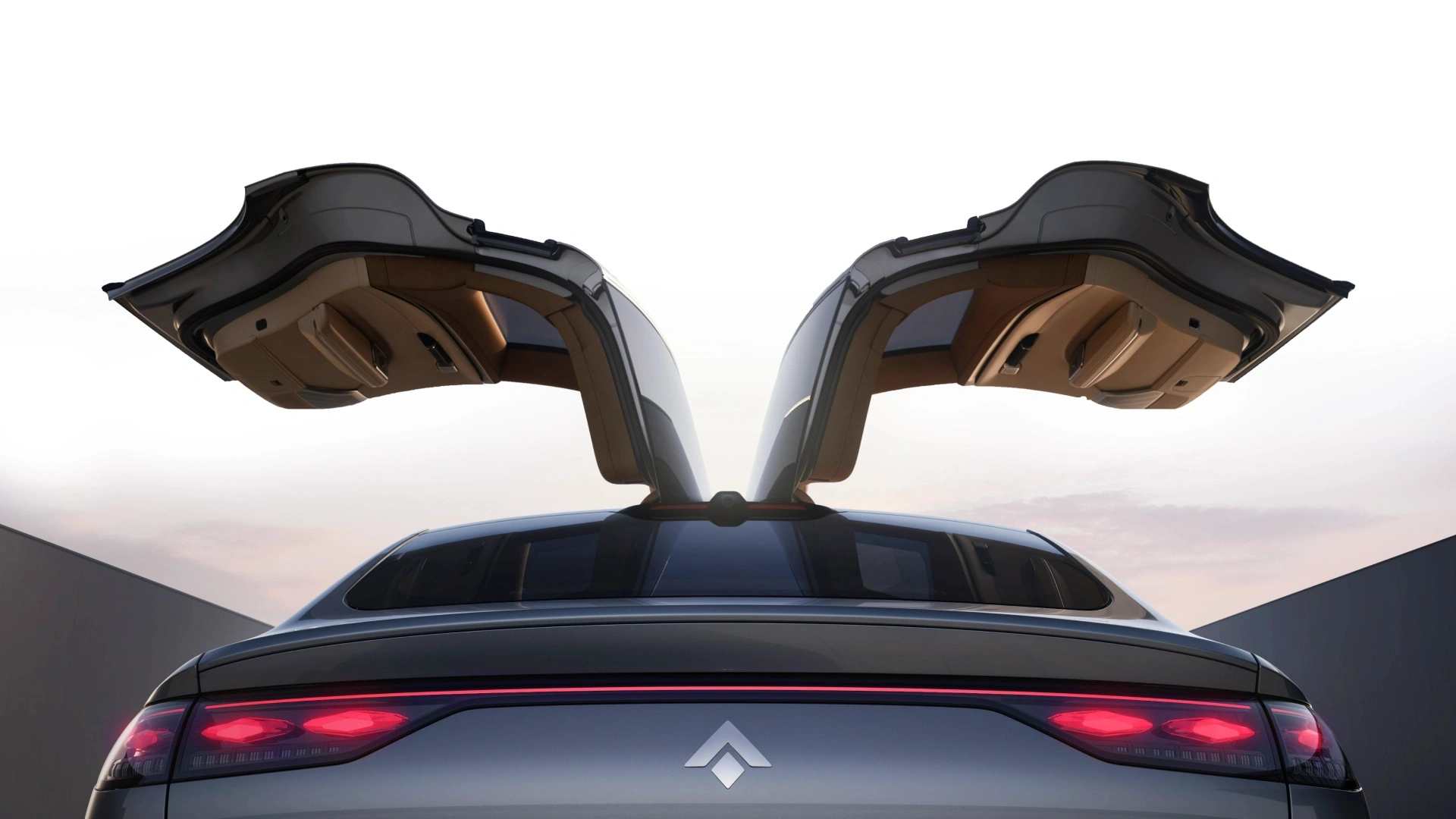
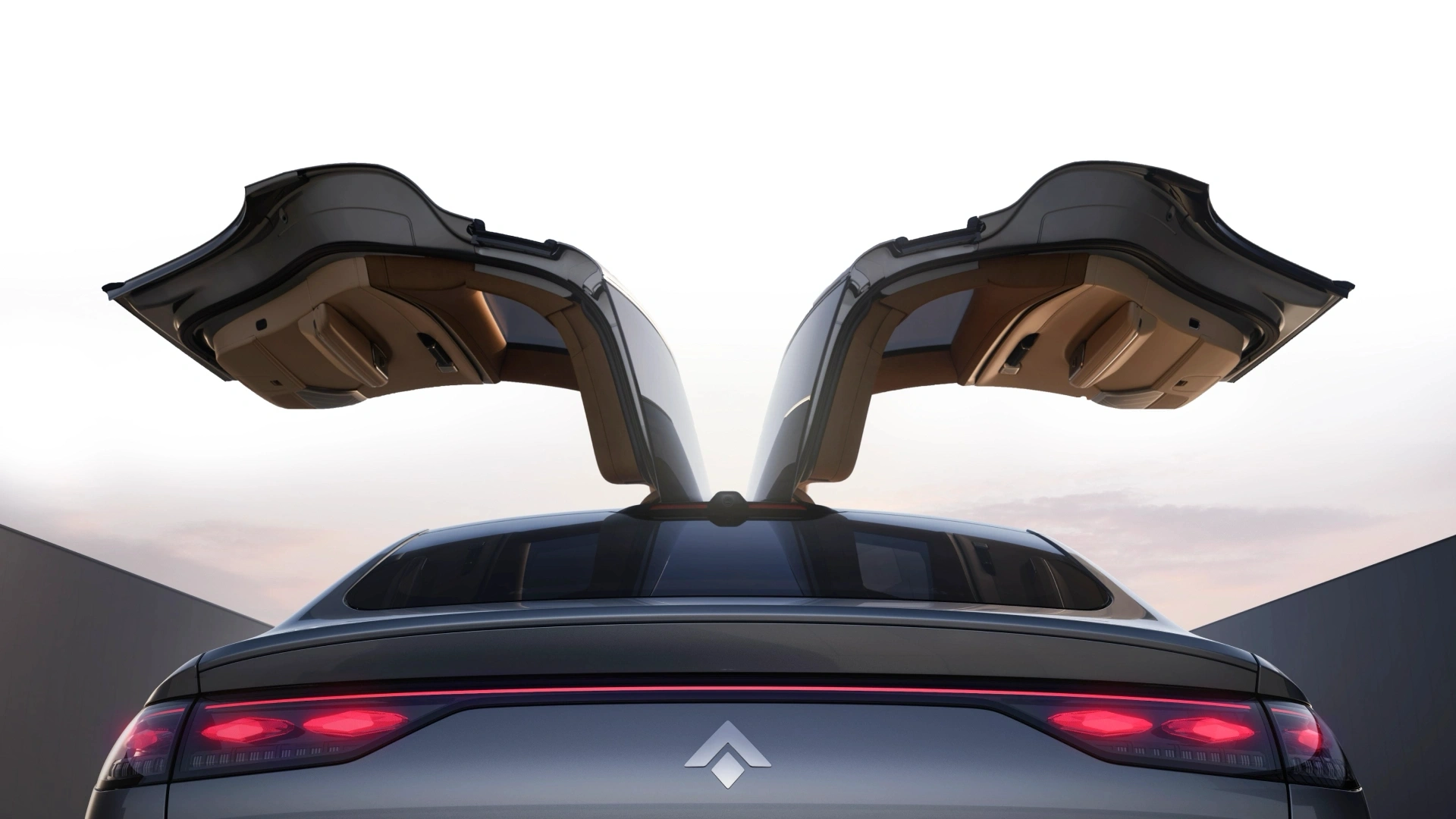
- GAC’s upcomingBEV model, HYPTEC HT, into the market in Saudi Arabia directly raises the need for high-performance, compatible chargers and better EV infrastructure, motivating local suppliers and developers to expand infrastructure.
- Through partnerships with dealers and service networks, GAC also helps train technicians, developing human capital critical for long-term maintenance of the charging network.
In effect, automakers like GAC Saudi serve as the link between technology, consumers, and infrastructure, converting strategic plans into daily driving reality.
Challenges and Opportunities in Saudi Arabia’s EV Charging Infrastructure
As Saudi Arabia moves from policy planning to real implementation, the development of EV charging infrastructure stands at the crossroads of ambition and practicality. The foundations have been laid by Vision 2030 and strong institutional backing, but the next phase—nationwide accessibility, reliability, and affordability—depends on how effectively the Kingdom addresses its operational and technical hurdles. At the same time, these challenges reveal new opportunities for innovation, renewable integration, and industrial growth.
Challenges
- Grid Capacity and Energy-System Stress:As EV adoption increases, high-speed DC chargers will put significant strain on local power networks. In hot regions where cooling demand already peaks, the Ministry of Energy must continue modernizing grid systems and deploying smart-load management to prevent bottlenecks.
- High Installation Costs and Business Economics:Establishing public fast-charging corridors remains capital-intensive. With the average cost of a 50 kW DC charger exceeding USD 2,500-150,000, investors require clear incentives or tariff structures to make operations viable.
- Standardization and Interoperability:A consistent user experience is essential. Differences in plug types, payment systems, and platform access currently fragment the market. Establishing nationwide standards will be key to encouraging confidence among drivers and ensuring that all vehicles—from GAC Saudi’s EVs to imported brands—can charge seamlessly anywhere in the Kingdom.
Opportunities
Renewable Energy Integration: Saudi Arabia’s solar potential—among the highest in the world—creates a natural advantage. Co-locating PV arrays or wind systems with charging hubs can lower carbon intensity and reduce electricity costs, turning chargers into clean-energy assets.
Local Manufacturing and Service-Network Expansion: Vision 2030’s localisation agenda opens space for producing chargers, cables, and control systems domestically. This not only reduces import reliance but also generates skilled employment and fosters R&D partnerships with universities and tech firms.
Smart-Grid and Digital Innovation: By adopting AI-driven demand forecasting, dynamic pricing, and cloud-based maintenance systems, Saudi Arabia can leapfrog traditional models and build a truly intelligent charging network.
Strategic Regional Leadership: As the largest economy in the GCC, Saudi Arabia’s early success in infrastructure rollout can establish regional standards, positioning it as the Middle East’s hub for EV mobility and export-ready technologies.
Conclusion
Saudi Arabia’s EV transition in 2025 represents more than a technological shift—it marks a defining step in the nation’s Vision 2030 journey toward diversification and sustainability. With the Ministry of Energy ensuring grid stability, the Public Investment Fund driving industrial investment, and automakers such as GAC Saudi introducing advanced electric models, the foundations of a comprehensive EV ecosystem are rapidly taking shape.
The expansion of EV charging infrastructure is the linchpin connecting these efforts. It determines how smoothly citizens can embrace clean mobility and how effectively the Saudi can integrate renewable energy into everyday life. While challenges remain—ranging from high installation costs to the need for standardized systems—the direction is unmistakably forward.
As one of the key players in Saudi Arabia’s electric mobility landscape, GAC is contributing to this transformation by delivering intelligent, high-efficiency vehicles equipped with technologies optimized for the Kingdom’s climate and energy infrastructure. Our participation doesn’t just bring more EVs to the road; we help stimulate demand for charging networks and strengthen local partnerships that sustain the ecosystem’s growth.
For more information, please visit the GAC Saudi Arabia’s official website!