


In June 2025, heavy rains and an extreme weather front caused devastating flooding in the Eastern Cape, South Africa — including the town of Mthatha — where rivers burst their banks and flood waters rose to 3–4 metres in places. Many homes, vehicles, and roads were swept away or severely damaged.
If you want to prevent your car from being exposed to floodwater in South Africa’s coastal or vulnerable regions, now is the time to learn, prepare, and act. Post-flood car maintenance is not just about cleaning up only. You should ensure your vehicle’s safety, prevent hidden damage, and preserve its value. So, this guide provides practical maintenance tips tailored for South African drivers whose cars may have taken on water, helping you prioritise car maintenance, ensure safety, and minimise long-term damage.
Immediate Steps: What NOT to Do
Do NOT try to start the car. This is critical. But why?
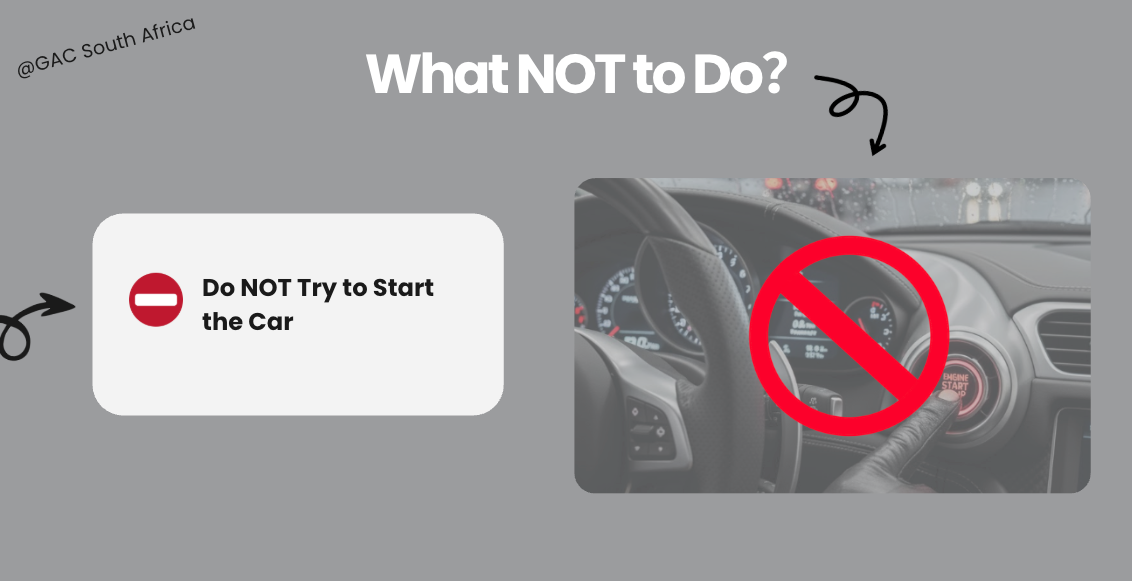
When a vehicle has been exposed to floodwater, even briefly, moisture can seep into critical systems. Starting the car can draw water into the engine’s combustion chamber, a condition known as hydro lock. When this happens, pistons try to compress water instead of air, which can bend connecting rods or even crack the engine block — turning a repairable issue into a total engine failure.
Beyond mechanical damage, there’s also a serious electrical risk. Floodwater conducts electricity, and when the car’s circuits are wet, turning on the ignition can create short circuits. This may burn out control units like the ECU (Engine Control Unit) or damage wiring looms, resulting in costly repairs that could have been avoided.
Even if your car looks dry on the outside, floodwater might have entered the transmission, differential, AC, or brake system through vents and seals. Attempting to drive can spread contaminated fluid throughout the system, accelerating internal corrosion and wear.
Instead, here’s what you should do:
- Leave the engine off.
- Disconnect the battery to prevent any electrical activation.
- Avoid moving the car until you’ve inspected for water ingress or a professional mechanic has assessed the condition.
Assessing the Damage: How High Did the Water Go?
After completing the steps above, embark on full-blown maintenance and assess how far up the vehicle the floodwater reached. That height determines the risk level and the necessary car maintenance actions.
Level 1 – Below the Doorsteps
If water reached only up to the tyres or undercarriage (but not into the cabin):
- Risk is lowest, but still present.
- Focus your car maintenance on the undercarriage, wheels, brakes, and suspension — water may still have affected components under the vehicle, even if it hasn't entered the interior.
Level 2 – Inside the Cabin/on the Seats
If floodwater reached inside the cabin, wetting the seats, carpets or electronics under seats:
- Interior electronics, wiring looms, and comfort systems (seats, belts) likely compromised.
- Upholstery, foams and carpets retain moisture — risk of mould, electrical corrosion and unpleasant odours.
- Car maintenance here must include interior drying, disinfecting and checking all wiring & modules.
Level 3 – Up to the dashboard/engine bay
If water reached dashboard height, engine bay or higher:
- This is the most severe case. Electrical systems, engine air intake, transmission and ECU may all have been submerged or highly impacted.
- Assume major damage. Car maintenance here must involve full diagnostics, fluid flushes, and major component inspection — professional help is required.
Essential Post-Flood Maintenance Checks
Once you’ve identified how high the floodwater reached, it’s time to take action after the flood. Each risk level described earlier points to different degrees of damage — and therefore, different car maintenance priorities.
1. Interior and Upholstery
If water made its way inside the cabin, drying and cleaning will become your first mission. Begin by removing all floor mats, seat covers, and carpets — they trap moisture and can quickly grow mould. Use fans or a dehumidifier to speed up drying, as musty smells and bacteria develop fast in South Africa’s humid conditions.
Inspect the seat bases, under-seat wiring, and sensors carefully. Many vehicles hide crucial electronic modules beneath the seats, and even small amounts of water can corrode connectors. A proper car maintenance routine here includes disinfecting surfaces, checking seatbelt locks, and ensuring that all electrical features (such as power seats and windows) function normally once dry.
2. Engine and Fluids
The heart of your post-flood car maintenance lies under the bonnet. Before starting the engine, check all fluids. If the engine oil, brake fluid, or transmission fluid looks milky or cloudy, water contamination has occurred. Replace these fluids immediately and have the system flushed if necessary.
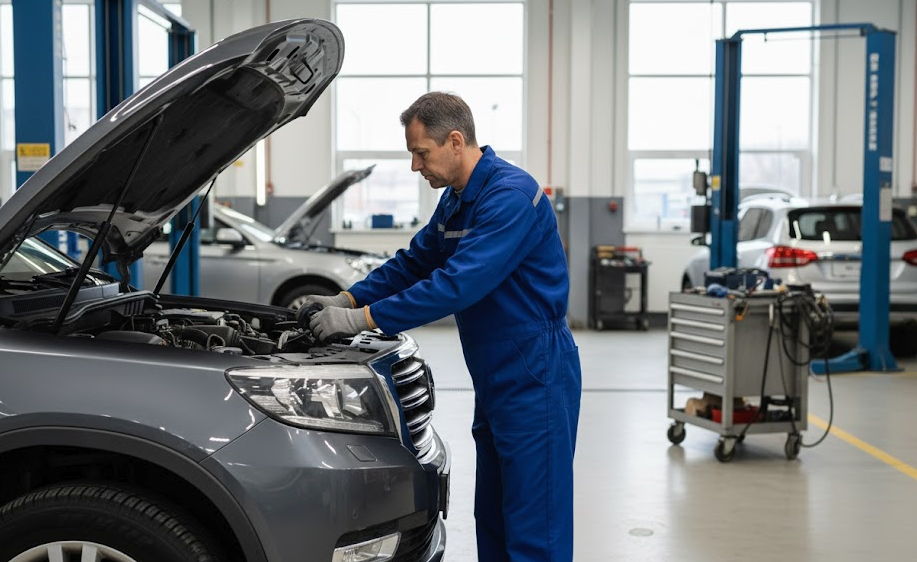
Inspect the air filter and intake duct — if they’re wet, don’t attempt to start the car until they’re replaced. Also check the battery terminals and alternator for corrosion, as floodwater often contains salt and debris that accelerate rust. These small steps can prevent major engine failures later.
3. Electrical System
Modern cars depend heavily on electronics, which makes this area a top car maintenance priority after flooding. Check the fuse boxes, lights, infotainment, and dashboard indicators. Even if everything seems fine now, moisture can create slow-acting corrosion that leads to failures weeks later.
If the water level had reached inside the cabin or the engine bay, it would be best to have an auto electrician perform diagnostic testing. They can verify the integrity of sensors, wiring, and control units, ensuring your car’s vital systems — like ABS, airbags, and engine management — remain reliable.
4. Brakes, Wheels, and Undercarriage
Finally, don’t overlook what’s underneath. Floodwater often carries mud, gravel, and debris that cling to your car’s undercarriage. As part of your car maintenance, rinse the wheel wells, inspect the brake pads and discs for silt, and check for rust on suspension parts.
If you hear squeaking or grinding noises after drying, have your brakes serviced immediately. Persistent moisture can cause uneven braking or corrosion of the callipers. Lubricate exposed metal joints to prevent rust and examine tyres for cuts or bulges caused by submerged debris.
After Check: When to Call the Professionals?
If your vehicle falls into Level 2 (interior flooding) or Level 3 (dashboard/engine bay inundation) in the damage assessment, do not treat this as a minor fix. Professional car maintenance intervention is essential.
- A qualified mechanic can perform diagnostics on the engine, electrical systems and ensure safety systems (ABS, airbags) remain operational.
- Your insurance company should be contacted immediately. Before starting any repairs or moving the vehicle, take extensive photos and videos of the flood damage — this supports your claim and helps assess whether the car is economically viable to repair.
- You should keep a detailed maintenance log, including what you’ve done, what has been inspected, and any parts replaced. This helps with resale/insurance and shows you’ve followed proper car maintenance protocols.
- If the car is declared a write-off by the insurer, don’t attempt informal repairs — you could jeopardise safety or invalidate coverage.
For GAC Owners — Expert After-Sales Support
If you drive a vehicle from GAC in South Africa, it’s worth remembering that the official GAC after-sales service network is well equipped to handle complex issues, including flood-related damage. At GAC, our technicians are trained in engine diagnostics, modern vehicle electronics and can provide certified car maintenance reports. When dealing with potential flooding damage, using official service channels adds credibility (important for insurance) and ensures that your car maintenance adheres to manufacturer standards.

Conclusion
Flood exposure is a serious event for any vehicle, but with the right approach to car maintenance, you can mitigate hidden damage, maintain safety, and preserve value. Whether your car was lightly submerged or fully flooded, take the time now to assess levels of water ingress, perform the targeted maintenance checks above, and call in professional assistance where needed.
For GAC owners, trust the dealership network to support your after-flood car maintenance needs. Drive safely, stay vigilant — and don’t let yesterday’s storm turn into tomorrow’s vehicle disaster.
To explore more information about GAC models, email us or ask our dealers across South Africa!