


“Will I make it to the next charger?” — this question echoes in the minds of many electric-vehicle (EV) drivers. That nagging fear of potentially being stranded with a depleted battery is what we call range anxiety. It remains one of the single biggest psychological barriers to EV adoption. But here’s the good news: range is not a fixed, unchangeable number.
Instead, it’s a dynamic calculation influenced by physics, the environment, and driver behaviour. In this article, we’ll demystify how range really works and show how the UAE’s growing infrastructure (charging networks, favourable policy, etc.) is helping drivers overcome fear and embrace electric mobility with confidence.
The Formula: How to Calculate EV Range
Before diving into what affects range, let’s see the basic formula you can use to estimate it:
EV Range (km) = Battery Capacity (kWh) ÷ Energy Consumption Rate (Wh/km)
For example: If an EV has a 60-kWh battery and it uses 150 Wh per km (or equivalently 0.150 kWh/km), then the theoretical range =
60 kWh ÷ 0.150 = 400 km
|
Question: Why do the official WLTP/EPA ratings not always match real-world performance? While the formula may seem straightforward, official lab-based ratings (like the WLTP or EPA cycles) often differ from what drivers experience. Reasons include:
Thus, the number you see on the spec sheet is a good benchmark, but you should treat it as a starting point, not a guarantee. |
Real-World Factors That Affect EV Range
In real-life driving in the UAE (or anywhere), the range of your EV is shaped by many interacting variables. Understanding these gives you better control and helps reduce the worry of “Will I make it to the next charger?”
1. Driving Habits
Aggressive acceleration, frequent heavy braking and high speed all increase energy consumption. Smooth acceleration, steady speeds and use of regenerative braking (if available) will help stretch your range.
2. Terrain
Hilly terrain or driving in off-road conditions draws more power than flat city roads. In the UAE’s desert-adjacent or mountainous outskirts, this is especially relevant.
3. Temperature
Extreme heat (or cold) impacts battery efficiency and can reduce usable range. In hot UAE summers, air-conditioning and thermal management of the battery system play a big role.
4. Vehicle Load
More passengers, luggage or towing means more weight — which increases consumption, reducing range. Keep this in mind when loading up for a longer trip.
5. Air Conditioning & Accessories
Using the AC, heating, premium sound system, lights, etc., all draw extra power. In the UAE climate (where cooling is often essential), this is an important consideration.
6. Tire Pressure and Condition
Under-inflated or worn tyres increase rolling resistance and hence energy draw. Regularly checking tyre pressure and ensuring good condition helps optimise your range.
7. Charging Grid Availability
Increased confidence in charging infrastructure means less need to drive “just in case”. The UAE has made strong progress in public charging, which reduces the psychological burden of range anxiety. For example, there are over 700 EV charging stations nationwide as the country expands its network.
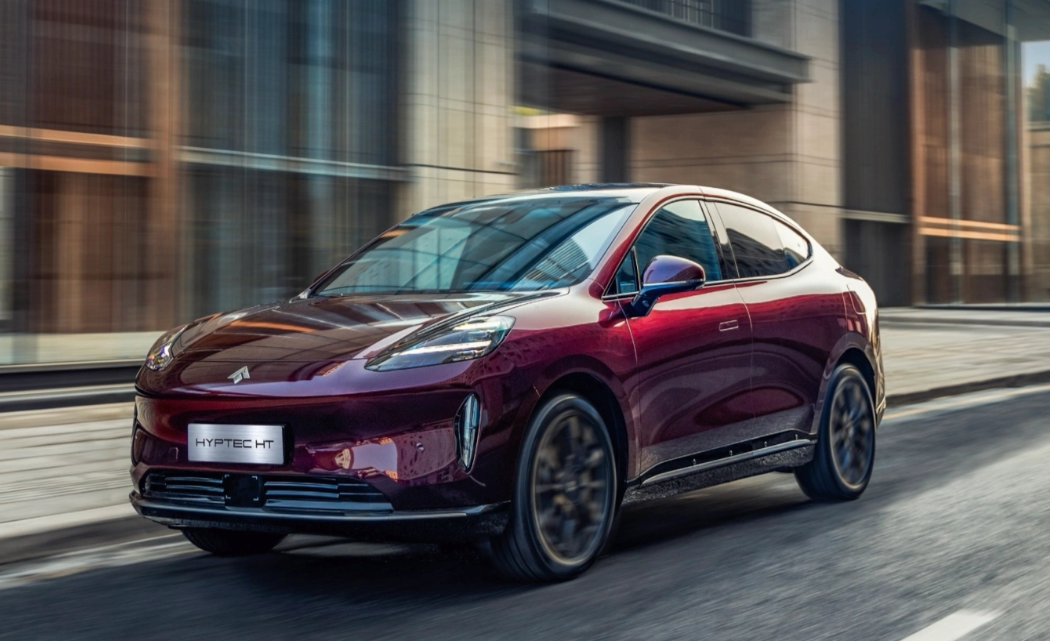
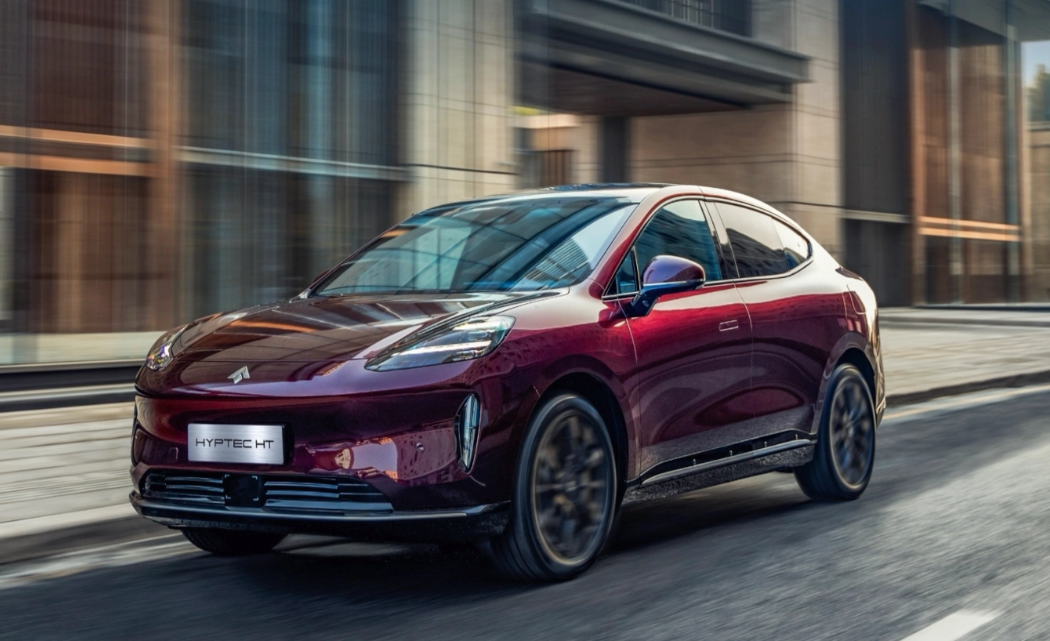
Understanding these factors is one thing—but seeing how modern vehicles are designed to manage them is what truly builds drivers' confidence. And if you really worry about the range of your electric vehicle yet still want to take the first step into electrification, an electric vehicle like the GAC HYPTEC HT fits your needs.
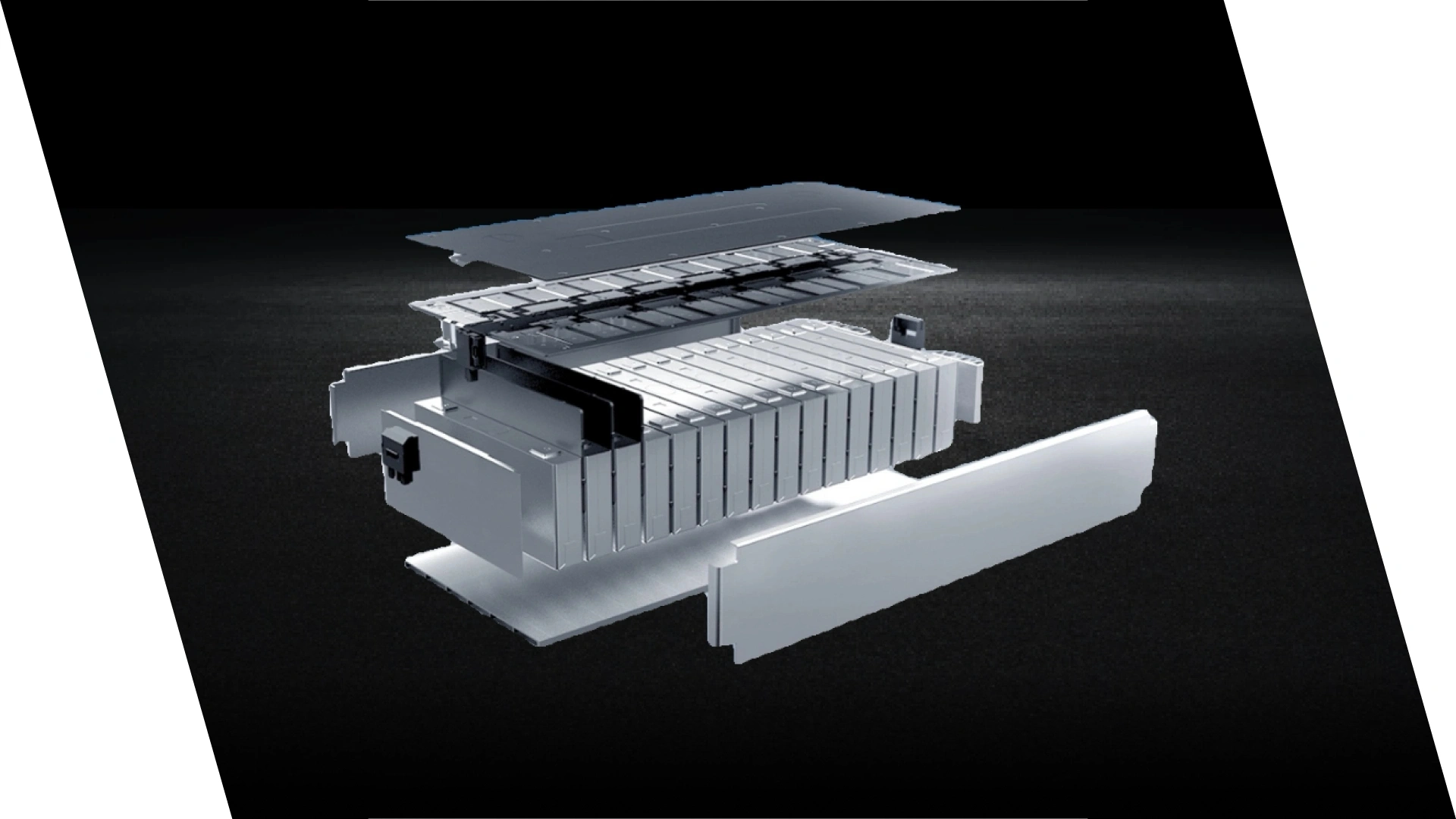
Introduce GAC's Magazine Battery 2.0: How’s the Performance in Power?
As we’ve seen, real-world conditions—from the UAE’s high temperatures to daily driving habits—can dramatically influence how far an EV travels on a single charge. But today’s breakthroughs in battery engineering are turning these environmental challenges into manageable variables.
GAC is at the forefront of this shift, preparing to introduce its next generation of BEVs to the UAE market, powered by the GAC Magazine Battery 2.0—a system designed to keep range stable and predictable even under the Gulf’s harshest conditions.
1. Super-Stable Electrode Interface — Consistent Efficiency Across All Conditions
Earlier we saw how driving habits and traffic patterns affect energy consumption. A stable electrode interface minimizes internal resistance during charge and discharge, meaning less energy wasted as heat and more delivered to the wheels. For UAE city drivers moving between Sharjah and Dubai in stop-and-go traffic, GAC's technology translates into more consistent range, even with frequent acceleration.
2. Super Heat-Resistant Layer — Keeping Range Intact Under Desert Temperatures
One major factor in real-world range loss is battery overheating, especially in summer conditions exceeding 45 °C. The Magazine Battery 2.0’s advanced heat-resistant layer dramatically lowers the risk of internal short circuits, allowing the pack to stay efficient without constant cooling. The result? Less power diverted to thermal management, preserving usable range on long highway drives across the Emirates.
3. 2000 °C Temperature Resistance — Expanding the Safe Operating Window
Most EVs limit performance to protect the battery when temperatures climb. With resistance up to 2000 °C, GAC’s EV can operate safely under far more extreme conditions. That means fewer automatic power restrictions and more steady driving performance without sudden drops in range, even during midday desert travel.
4. Long-Term Durability — Sustaining Real-World Range Year After Year
As batteries age, range typically shrinks—a key source of long-term anxiety. The GAC Magazine Battery 2.0’s super-stable structure and insulation slow degradation dramatically. Over time, the battery retains more of its original capacity, meaning your real-world range stays close to day-one performance, even after years of UAE heat and daily commutes.
Above all, where range anxiety once asked, “Will I make it to the next charger?”, GAC’s next-generation BEVs answer, “Of course you will!”
Reducing Range Anxiety: Practical Tips for Drivers
Reducing range anxiety isn’t just about having a large battery. It’s about smart preparation and habits. Here are practical steps UAE drivers can use today to feel confident behind the wheel of an EV:
1. Use eco-driving modes when available
Many EVs and hybrids include an “Eco”, “Comfort” or “Efficiency” drive mode. These reduce power output or change throttle response for lower consumption. If your vehicle offers this, use it especially on urban trips or longer highway segments where speed is moderate.
2. Plan routes based on charging station locations
In the UAE you’re increasingly covered by public charging infrastructure. Use apps or in-car navigation to map out charging points along your planned route — including when you might need a “top-up” rather than full charge. Knowing the charger placement ahead of time reduces uncertainty.
3. Avoid excessive idling or rapid acceleration
High-power draws (flooring the accelerator) or long idle periods (AC on but not moving) reduce your effective range. On hot UAE days, consider using pre-cooling of the cabin while plugged in (if available) so once you hit the road you’re not burning battery for comfort.
4. Keep software and navigation maps up-to-date
EVs often get over-the-air updates for battery management, charging optimisation and navigation. Updated maps help the system find the nearest chargers and adapt to real-time availability. A well-maintained system equals less anxiety.
Conclusion
Range anxiety may once have been a major hurdle for EV adoption, but today—with the right vehicle, good habits and a supportive infrastructure—it needn’t stop you. By understanding the formula for range, recognising the factors that influence it, and using practical mitigation strategies, UAE drivers can make confident choices.
Combine that with the growing charging network in the UAE and electric vehicles like the HYPTEC HT preparing for electric mobility, and the horizon looks clear: you will make it to the next charger — and beyond.